The rule was simple: the more perks you list in the job ad, the more "modern" your company looks. Fruit Thursdays, free streaming platforms, gym cards no one had time to use anyway.
Great in theory – except this model is visibly running out of steam. Employees have spoken loud and clear: "Show me the proof". They're fed up with top-down gadgets that do nothing to help them balance the household budget.
What do we actually want in offices, factory floors and engineering departments? The latest research says one thing: it's time to throw the plastic cards in the bin and get back to the numbers.
The numbers don't lie – they show a shift in expectations.
Let's look at the hard data, because that hurts the most. Recent benefits market research shows many employees see the perks on offer as mismatched to real needs. The recent Amilon study sums up the market perfectly: as many as 70% of Polish employees believe their benefits package is unnecessary. Only three in ten say these perks meet their real needs. The rest get things they don't want, don't need and don't use. Benefits are no longer treated as a nice gesture from the boss. They're judged ruthlessly. People want things they can actually feel in their wallet.
It was perfectly summed up by Daria Szemlej, and many of you will instantly relate:
"I was getting apples at work, while the truth was I had no normal way to get to work in the morning. Complete absurdity and total disconnect from reality."
Exactly. An apple instead of transport.

The new investment map: giants are setting up in the middle of nowhere
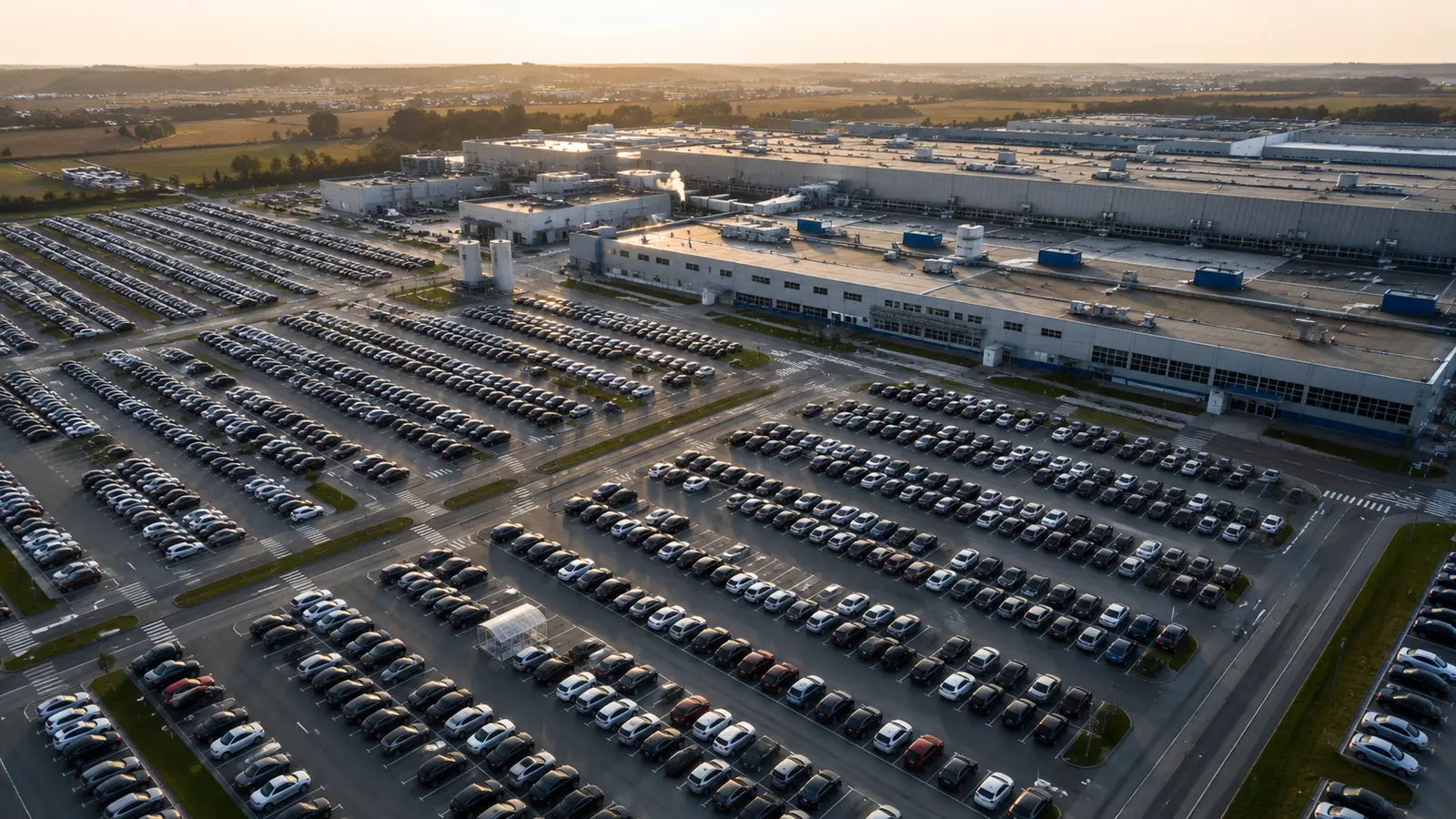
Real industrial giants are rising on the country's map right now. And here's the catch – none of them are being built in city centres next to the metro or tram. Take Podkarpacie: American aerospace giant Pratt & Whitney is carrying out a massive USD 100 million expansion of its plant in Rzeszów, putting up a hall to produce engine components for the latest F-35 fighters. Going further. In Silesia, in Świętochłowice, construction is starting on a huge photovoltaic panel and energy storage factory. Near Wrocław (Magnice) and in the Łódź Special Economic Zone, more giant logistics and production parks are swelling.
What do all these places have in common? Scale and location. These are huge complexes built on the outskirts, in suburban economic zones or simply in the middle of nowhere outside the city. These investments mean thousands of new jobs for engineers and machine operators. And they automatically generate a gigantic logistical nightmare. The fight for talent is going hard. If a newly opened or expanded plant wants to attract the best, it won't fool them with free coffee or a basket of bananas in the canteen. It has to answer one fundamental employee question: "How do I actually get there every day?".
Logistics! How inOneCar breaks the bank
This is the absolute foundation and key benefit on the Polish market. The Nationwide Employee Benefits Review puts it plainly: transport is now the absolute priority. Commuting to work is a key condition for nearly 40% of employees to even sign a contract.
Since factories are being built on the outskirts and in suburban zones, daily commutes are a huge fixed cost in both employee and company budgets. According to the latest „2026 HR & Payroll Pulse" report from SD Worx, the average Polish employee covers 48.7 km on the way to work and back each day, wasting an average of 58 minutes on it. People expect real support: fuel subsidies, organised employee buses, flexible carpooling.
And here is where modern technology steps in. Traditional, large buses with rigid schedules and 100 km routes generate fixed costs for the company and take flexibility away from people. The answer is a shared commute system with the inOneCar app.
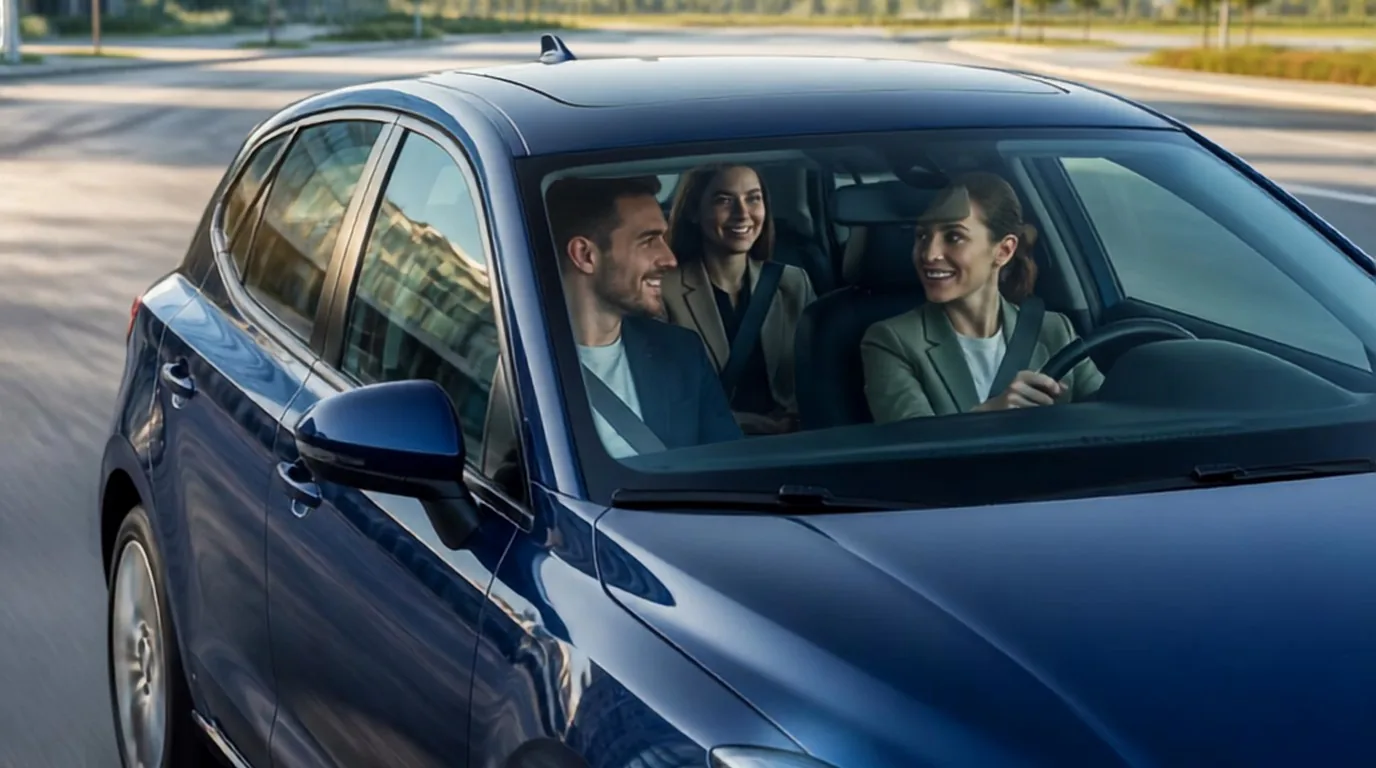
How does it work? Super simple. The system itself matches people from the same area heading to the same company at the same time. But the best part is that the employer can subsidise these rides. The driver gets real money for fuel, passengers ride comfortably for pennies or completely free. The parking lot in front of the company finally has free spaces and cutting bus runs means huge savings for the company.
For example: if four employees ride in one car, they free up three parking spaces at the company, and their daily commute costs drop by 75%. Pure profit – several hundred zlotys staying in the pocket every month.
Pillar two: subsidised meals (lunch benefits)
Beyond transport, what lands on the plate also matters. Today employees expect full automation. We're talking about the ability to instantly order a hot, subsidised meal via the app, without queuing or wasting shift breaks.
It all comes down to convenience and the smartphone: in the morning you ride to work with colleagues thanks to inOneCar, and in the middle of the day a few taps get you a fresh, hot lunch. This setup most effectively relieves the modern employee's budget and gives the factory full continuity of efficiency.
Pillar three: health packages and medical prevention
Manual workers do hard work that puts heavy strain on their bodies. That's why, instead of traditional gym cards no one has the energy for after 8 hours on the line, they value private medical care far more. They expect quick access to specialist doctors, preventive screenings, rehabilitation and health initiatives organised directly on site.
In a modern manufacturing environment every KPI matters – from line continuity to retention, absence and lateness rates. Chronic stress caused by exhausting commutes and physical fatigue directly damage employee health, as confirmed by scientific research published in ScienceDaily. Providing healthcare on site protects the team from burnout and illness, securing the OEE (overall equipment effectiveness) indicator for the whole company.
So what's in it for the COMPANY?
A good benefit has to work both ways – otherwise the company won't pay for it. From the perspective of managers and directors, subsidised flexible employee transport is a powerful business argument. Manufacturing is built on optimisation. If you optimise production lines, why are you still wasting budget on logistics from a bygone era?
First, people quit less often. Teams that bond and commute to work together simply switch to the competition less often. Second, it's a perfect answer to all the mandatory EU ESG reports. The employer gets hard, black-on-white data on how CO2 emissions actually dropped, because instead of five cars, only one pulled into the parking lot.
Summary. How not to fall behind?
The conclusion is short and brutal. If as an employer you want to attract a good engineer, programmer or great machine operator to your new, expanded factory, instead of fruit and bus detours – start lifting the daily problems off their heads.
The future belongs to companies that can deploy intelligent, digital solutions like inOneCar. The best benefit is the one that delivers flexibility, real savings and peace of mind. And the whole discussion should revolve around that.