Over the past year, the number of inOneCar users has grown by more than 20% and exceeded 58,000.
It's a good moment to take a broader look at how employee mobility is changing in Poland.
Although for years the topic of commuting remained in the shadow of salaries and benefits, today it increasingly appears in conversations among HR, operations, and employer branding teams.
Our observations point to three clear trends.
- Candidates live further from work
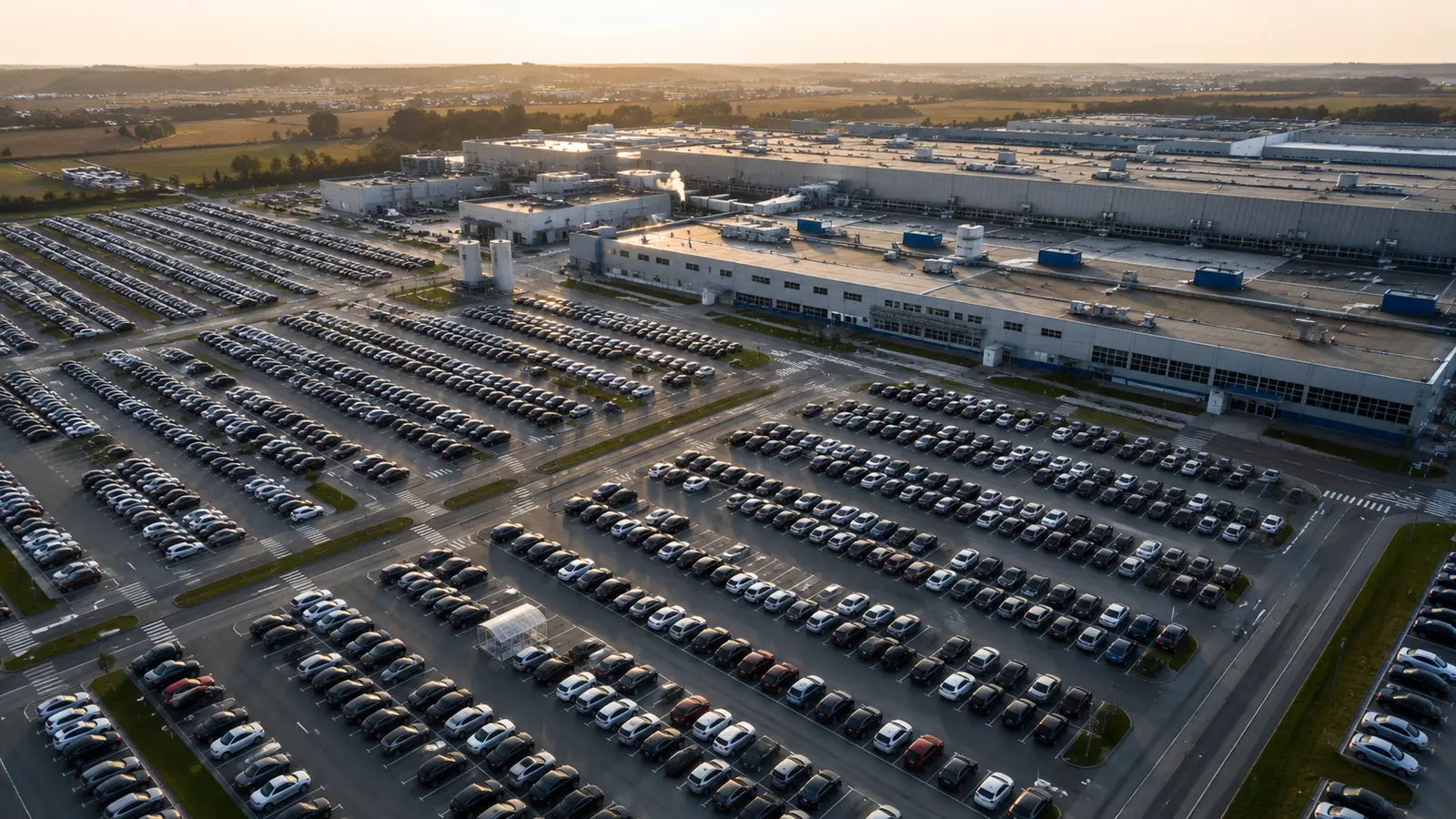
Manufacturing and logistics companies are increasingly recruiting employees from outside the immediate area.
In many locations, the recruitment radius already reaches several dozen kilometers, and transport availability is becoming one of the factors influencing recruitment effectiveness.
- Transport is no longer just an operational topic
Just a few years ago, organizing commutes was primarily an administration or logistics task.
Today it is increasingly becoming an element of HR strategy.
The reason is simple — commuting affects attendance, punctuality, retention, and candidate availability.
- Sharing is starting to make economic sense
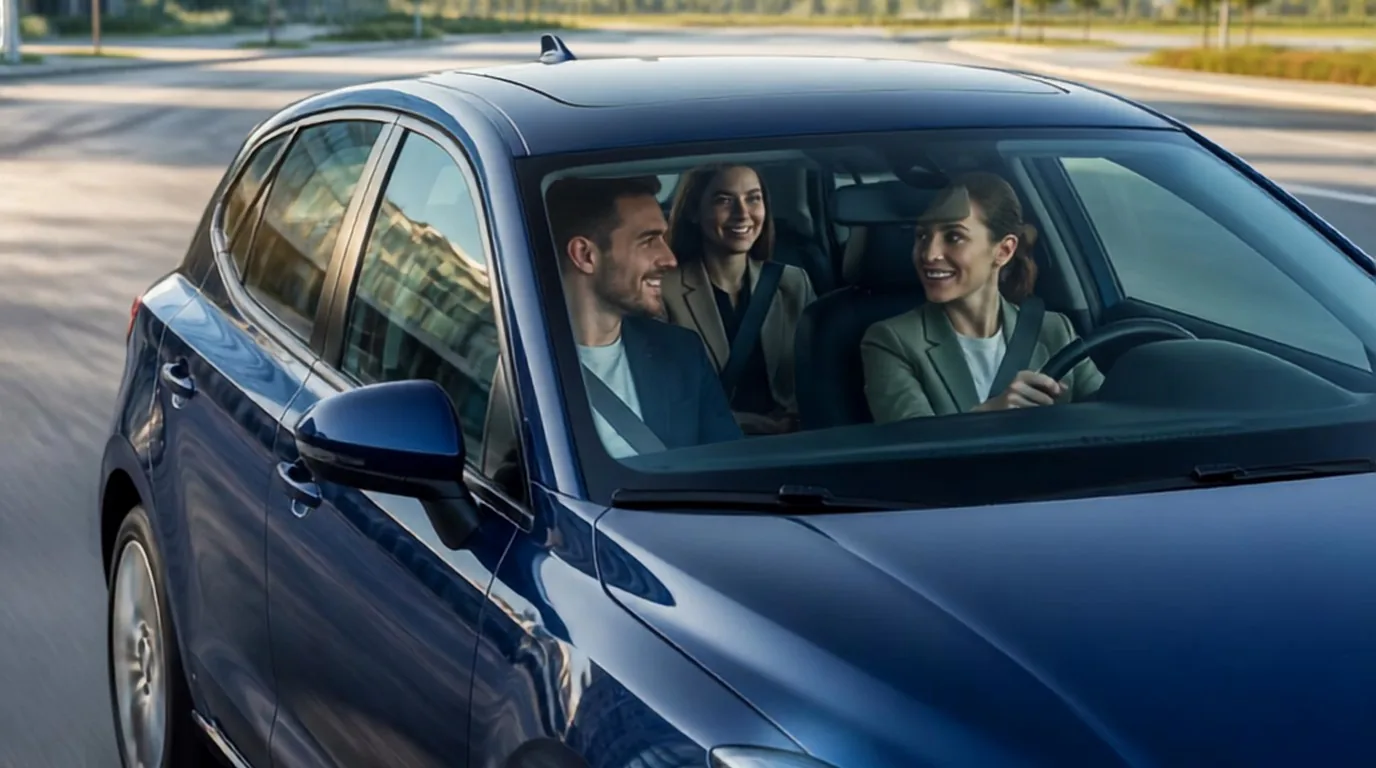
Rising fuel costs and increasing distances mean employees are more often looking for ways to reduce their daily commute costs.
As a result, interest in shared ride solutions is growing.
What's next?
58,000 users is primarily a signal to us that employee mobility is becoming an increasingly important element of the labor market.
Not only from the employees' perspective.
But also from the perspective of companies looking for new ways to reach candidates and build an attractive workplace.